
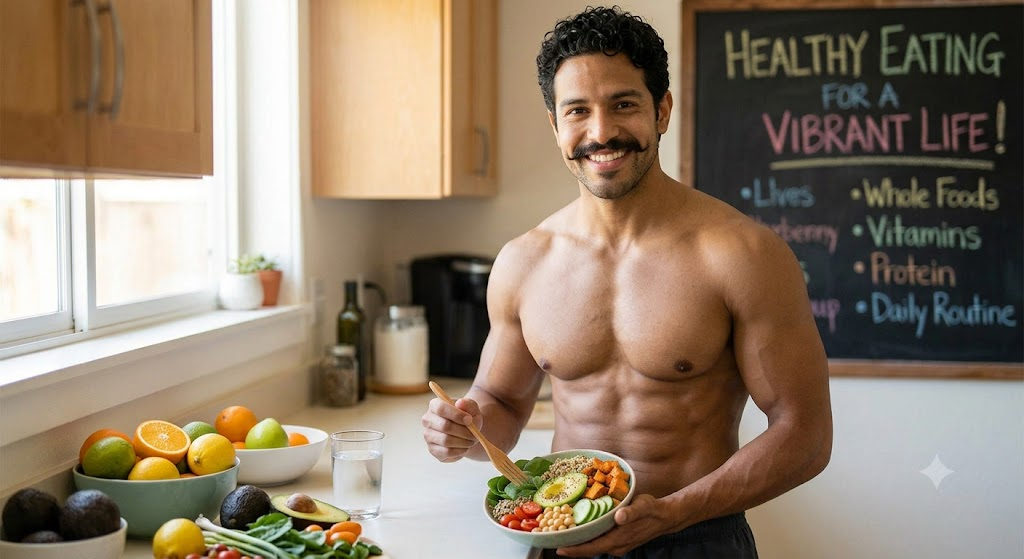
Healthy Eating for a Vibrant Life
Nutrition plays a crucial role in your overall wellness. Here are some healthy eating tips
The Simple Blueprint for Healthier Eating: Focus on Whole Foods, Plan Ahead, and Experiment in the Kitchen
Healthy eating doesn’t have to feel like a complicated puzzle. In fact, the most effective approach is surprisingly simple: choose more whole foods, plan your meals ahead of time, and give yourself permission to experiment with new recipes. These three habits work together like a well‑oiled machine, helping you build a sustainable lifestyle rather than a short‑lived diet. Whether you’re trying to boost your energy, improve digestion, or just feel better in your own skin, this blueprint can transform the way you eat without overwhelming your daily routine.
Why Whole Foods Should Be the Foundation of Your Diet
Whole foods—fruits, vegetables, whole grains, nuts, seeds, legumes, lean proteins—are the closest you can get to nature’s original design. They’re minimally processed, rich in nutrients, and free from the additives and preservatives that sneak into so many packaged items.
The Benefits Add Up Quickly
- More nutrients per bite. Whole foods are naturally packed with vitamins, minerals, antioxidants, and fiber. Your body recognizes these nutrients and uses them efficiently.
- Better digestion. Fiber from whole foods keeps your digestive system running smoothly and helps regulate blood sugar.
- Steady energy. Without the sugar crashes caused by processed snacks, you feel more balanced throughout the day.
- Fewer empty calories. Whole foods are filling and satisfying, reducing the urge to overeat.
What “Whole Foods” Really Means
You don’t have to overhaul your entire pantry overnight. Start with small swaps:
- Choose oats instead of sugary cereal.
- Pick fresh fruit instead of fruit snacks.
- Replace white bread with whole‑grain bread.
- Swap flavored yogurt for plain yogurt with honey or berries.
- Trade chips for nuts or air‑popped popcorn.
These tiny changes compound over time, and before you know it, your diet naturally shifts toward cleaner, more nourishing options.
The Power of Planning Your Meals Ahead of Time
If whole foods are the foundation, meal planning is the structure that keeps everything standing. Without a plan, even the best intentions can fall apart when life gets busy. Planning ahead removes the guesswork and helps you stay consistent.
Why Meal Planning Works
- Reduces stress. You’re not scrambling at 6 p.m. wondering what to cook.
- Saves money. You buy only what you need and waste less food.
- Supports healthier choices. When meals are prepped, you’re less tempted by fast food or convenience snacks.
- Builds routine. Consistency is the secret ingredient in any long‑term lifestyle change.
How to Start Meal Planning Without Feeling Overwhelmed
You don’t need a color‑coded spreadsheet or a week’s worth of identical containers. Keep it simple:
1. Pick 2–3 meals to repeat
Choose a few go‑to breakfasts, lunches, and dinners. Repetition makes planning easier and reduces decision fatigue.
2. Plan around your schedule
Busy week? Choose quick meals like stir‑fries, sheet‑pan dinners, or slow‑cooker recipes. More free time? Try something new or batch‑cook.
3. Make a grocery list based on your plan
This keeps you focused and prevents impulse buys.
4. Prep what you can in advance
Chop vegetables, marinate proteins, cook grains, or portion snacks. Even 20 minutes of prep can save hours later.
5. Stay flexible
Meal planning isn’t about perfection. If plans change, adjust. The goal is to support your life, not restrict it.
Experimenting With New Recipes Keeps You Motivated
One of the biggest reasons people fall off healthy eating habits is boredom. Eating the same grilled chicken and steamed broccoli every day is a fast track to burnout. That’s where experimenting with new recipes becomes essential.
Trying New Foods Keeps Things Exciting
When you explore new flavors, cuisines, and cooking techniques, healthy eating becomes something you look forward to. You discover meals that feel indulgent but are still nourishing. You learn how to use spices, herbs, and whole ingredients in ways that make your taste buds happy.
How to Start Experimenting Without Feeling Lost
You don’t need to be a chef to get creative in the kitchen. Here are easy ways to branch out:
1. Choose one new recipe each week
This keeps things fresh without overwhelming your routine.
2. Explore different cuisines
Mediterranean, Thai, Mexican, Indian, Japanese—each offers unique ways to use whole foods.
3. Try new cooking methods
Roasting, air‑frying, slow‑cooking, grilling, sautéing—each brings out different flavors.
4. Swap ingredients
Use quinoa instead of rice, Greek yogurt instead of sour cream, or chickpeas instead of chicken.
5. Follow seasonal produce
Seasonal fruits and vegetables taste better, cost less, and inspire new dishes.
A Few Recipe Ideas to Spark Inspiration
- Mediterranean quinoa bowls with cucumbers, tomatoes, olives, and lemon‑tahini dressing
- Thai‑inspired coconut curry with vegetables and tofu or chicken
- Sheet‑pan salmon with roasted sweet potatoes and green beans
- Hearty lentil soup with carrots, celery, and herbs
- Veggie‑packed omelets with spinach, mushrooms, and peppers
These meals are simple, flavorful, and built around whole ingredients.
Bringing It All Together: A Lifestyle, Not a Diet
When you combine whole foods, meal planning, and recipe experimentation, something powerful happens: healthy eating becomes enjoyable, sustainable, and deeply rewarding. You stop thinking in terms of “good” or “bad” foods and start focusing on nourishment, balance, and creativity.
Here’s what this lifestyle looks like in practice:
- Your grocery cart is filled with colorful produce, whole grains, and fresh proteins.
- You walk into the week knowing exactly what you’ll eat.
- You feel excited to try new meals instead of dreading the same old routine.
- You have more energy, better digestion, and a clearer mind.
- You build confidence in the kitchen and in your ability to care for your body.
This isn’t about perfection. It’s about progress. Every whole‑food meal, every planned dish, every new recipe is a step toward a healthier, happier you.